Blog

Effective Strategies for Students to Retain Information Over the Summer Break

The summer break presents a unique challenge for students as they step away from formal academic settings. However, this does not mean that the learning process should come to a halt. In fact, there are several proactive steps that students can take to ensure they maintain and even enhance their knowledge during this time. In this article, we will explore a variety of strategies and techniques that students can utilize to retain information over the summer break.

1. Engage in Regular Reading

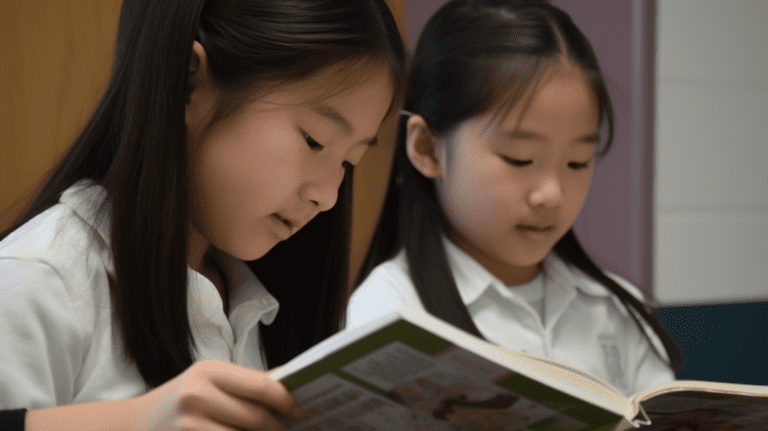
Reading is an excellent habit that stimulates the mind, expands vocabulary, and enhances overall knowledge. During the summer break, students can make it a priority to read regularly. This can involve a diverse range of materials such as novels, non-fiction books, newspapers, and magazines. By exposing themselves to different genres and topics, students can broaden their understanding and develop critical thinking skills. Reading not only preserves existing knowledge but also encourages a lifelong love for learning.

2. Pursue Personal Projects or Hobbies

Summer break provides an ideal opportunity for students to pursue personal projects or explore hobbies that align with their interests. Whether it is writing a blog, learning to play a musical instrument, or engaging in a scientific experiment, these endeavors foster creativity, problem-solving skills, and knowledge retention. By actively engaging in projects outside the traditional classroom environment, students can apply what they have learned and deepen their understanding of various subjects.

3. Participate in Summer Enrichment Programs

Many educational institutions and community organizations offer summer enrichment programs designed to keep students intellectually engaged. These programs often focus on specific subjects or areas of interest, providing a structured learning environment during the break. Students can take advantage of such programs to reinforce their knowledge, explore new subjects, and collaborate with peers who share similar interests. The interactive nature of these programs fosters active learning and helps students retain information effectively.

4. Embrace Technology for Learning

In today’s digital age, technology offers numerous tools and resources that can facilitate continuous learning. Students can leverage online platforms, educational apps, and interactive websites to access a wealth of information across various disciplines. These digital resources provide an engaging and interactive learning experience, making it easier for students to retain information. Additionally, there are online courses and tutorials available, allowing students to delve deeper into specific subjects and acquire new skills.

5. Reflect and Review Previous Learning

A critical aspect of knowledge retention is regular reflection and review of previously learned material. During the summer break, students can allocate dedicated time to review their notes, textbooks, and assignments from the previous academic year. This practice reinforces key concepts and ensures that information remains fresh in their minds. Furthermore, students can create summary notes or concept maps to condense information into manageable and memorable formats. This active recall strengthens neural pathways and aids in long-term retention.

Conclusion

The summer break should not be viewed as a time of complete detachment from learning. Instead, it can be a period of personal growth and intellectual development. By implementing the strategies discussed in this article, students can actively maintain and enhance their knowledge over the summer break. Engaging in regular reading, pursuing personal projects, participating in summer enrichment programs, embracing technology, and reflecting on previous learning are powerful tools that empower students to retain information effectively. By adopting these practices, students can seamlessly transition back into academics with confidence and enthusiasm in the new school year.

What are the Most Common Things Children are Bullied About?

Introduction: Children are unfortunately susceptible to bullying, a widespread issue that can have significant emotional, academic, and long-term effects. Understanding the common triggers for bullying is crucial in addressing and preventing this behavior. In this article, we will explore the most common things children are bullied about, delve into the different types of bullying, and provide strategies for supporting children who face bullying.

Understanding Bullying

Bullying is a form of aggressive behavior that involves repetitive mistreatment of an individual or a group, often with an imbalance of power. It can occur in various settings, including schools, neighborhoods, and even online platforms. By understanding the causes and motives behind bullying, we can work towards curbing this harmful behavior.

Types of Bullying

  1. Cyberbullying:
    • Definition and examples of cyberbullying.
    • The role of technology in facilitating cyberbullying.
    • Impact on children’s mental and emotional well-being.
  2. Physical Bullying:
    • Physical aggression and its effects on victims.
    • Common physical bullying behaviors.
    • Long-term consequences and potential risks.
  3. Verbal Bullying:
    • Verbal abuse and its damaging impact.
    • Examples of verbal bullying.
    • Psychological effects on the victim’s self-esteem.
  4. Social Bullying:
    • Relational aggression and exclusionary tactics.
    • How social bullying affects children’s social lives.
    • Strategies for addressing social bullying.

The Impact of Bullying

Bullying can have severe consequences for the victim’s emotional well-being, academic performance, and overall development. It is essential to recognize and address these impacts to provide appropriate support to those affected.

  1. Emotional Consequences:
    • Psychological distress and emotional trauma.
    • Anxiety, depression, and other mental health implications.
    • Developing resilience and coping mechanisms.
  2. Academic Consequences:
    • Impaired concentration and academic performance.
    • School avoidance and decreased motivation.
    • Strategies for supporting bullied children academically.
  3. Long-term Effects:
    • The lasting impact of childhood bullying in adulthood.
    • Relationship difficulties and trust issues.
    • Steps to prevent long-term consequences.

Identifying Bullying

Recognizing the signs of bullying is crucial for timely intervention. Parents, educators, and caregivers should be vigilant in identifying potential instances of bullying and provide the necessary support to the affected child.

  1. Signs of Bullying:
    • Behavioral changes and mood swings.
    • Unexplained physical injuries.
    • Social withdrawal and isolation.
    • Changes in academic performance.

How to Support Children Facing Bullying

Supportive and nurturing environments are essential for helping children cope with bullying experiences. By implementing proactive measures, we can create safe spaces and empower children to stand against bullying.

  1. Creating a Safe Environment:
    • School policies and anti-bullying initiatives.
    • Encouraging inclusivity and respect.
    • Fostering a safe environment involves a collective effort from parents, teachers, and the community. Establishing a culture of empathy and zero tolerance for bullying is crucial. Promoting acceptance and understanding can create an atmosphere where children feel safe and supported.
  1. Encouraging Open Communication: Effective communication channels play a vital role in addressing bullying. Encourage children to express their feelings and concerns openly. By fostering open lines of communication, adults can actively listen to children, validate their experiences, and provide appropriate guidance and intervention.
  2. Promoting Empathy and Kindness: Teaching empathy and kindness helps develop a positive social environment. Encourage children to put themselves in others’ shoes and practice acts of kindness. By nurturing empathy, we can cultivate a culture of compassion and reduce the occurrence of bullying.
  3. Teaching Assertiveness and Self-confidence: Building assertiveness skills equips children to respond to bullying situations confidently. Teach them techniques to assert boundaries, stand up for themselves, and seek help when needed. Developing self-confidence empowers children to tackle bullying effectively and reduces their vulnerability.

Conclusion

Bullying is a pervasive issue that affects children worldwide. By understanding the common triggers for bullying, we can take proactive measures to prevent and address this harmful behavior. Creating a safe environment, encouraging open communication, promoting empathy and kindness, and teaching assertiveness are vital steps in supporting children who face bullying. Together, we can create a society where every child feels safe, valued, and free from the fear of being bullied.

FAQs (Frequently Asked Questions)

  1. Q: How can I tell if my child is being bullied? A: Look for signs such as unexplained injuries, changes in behavior, or withdrawal from social activities.
  2. Q: Is cyberbullying more harmful than other forms of bullying? A: Cyberbullying can have significant emotional and psychological effects due to its 24/7 nature and the potential for anonymity.
  3. Q: What should I do if my child is being bullied? A: Listen to your child, offer support, communicate with the school or relevant authorities, and seek professional help if needed.
  4. Q: How can schools prevent bullying? A: Schools can implement anti-bullying policies, provide education on bullying prevention, and foster a positive and inclusive school climate.
  5. Q: Can bullying have long-term effects on a child’s mental health? A: Yes, bullying can lead to long-lasting mental health issues, including anxiety, depression, and low self-esteem.

Remember, addressing and preventing bullying requires a collective effort. By staying vigilant, fostering empathy, and creating supportive environments, we can work towards a future where every child grows up free from the harm of bullying.

The Importance of Integrating Art and Science Education in High School

High school is a critical time for students to explore and develop their interests, skills, and passions. However, many high schools tend to prioritize either art or science education, leaving students with a one-sided education that may not fully prepare them for the real world.

Art education is important for developing creativity, critical thinking, and problem-solving skills. It teaches students how to express themselves, communicate ideas effectively, and think outside the box. Science education, on the other hand, provides students with the knowledge and skills needed to understand and analyze the world around them, and to pursue careers in fields like medicine, engineering, and technology.

Despite the benefits of both art and science education, many schools have limited resources and must choose between the two. However, it is possible and beneficial to integrate both art and science education into high school curriculums. By doing so, students can benefit from a more well-rounded education that prepares them for a wide range of career paths and life experiences.

Benefits of Integrating Art and Science Education in High School

Integrating art and science education in high school has several benefits. For one, it can enhance creativity and innovation in science, technology, engineering, and math (STEM) fields. Studies have shown that students who participate in art classes are more likely to excel in STEM subjects, as they are better equipped to think creatively and critically about complex problems.

Furthermore, integrating art and science education can help students develop a more holistic understanding of the world around them. Science education provides students with a deep understanding of the physical world, while art education can help them understand the cultural and social context of that world. Combining the two can help students develop a more well-rounded perspective on the world, which is essential for success in today’s global economy.

Another benefit of integrating art and science education in high school is that it can help to break down the barriers between these two seemingly separate disciplines. In reality, art and science are closely intertwined, and by combining them, students can develop a deeper appreciation for the beauty and complexity of the natural world.

Challenges of Integrating Art and Science Education in High School

Despite the benefits of integrating art and science education, there are several challenges that schools and educators must overcome. One of the biggest challenges is finding the resources and funding needed to support both types of education. Art education requires materials like paint, paper, and other supplies, while science education often requires expensive equipment and technology.

Another challenge is finding qualified teachers who are able to teach both art and science. Many schools struggle to find qualified educators who are able to teach both disciplines effectively, which can lead to uneven instruction and a lack of integration between the two.

Finally, there is often resistance from students and parents who prioritize one type of education over the other. For example, some parents may view art education as less valuable than science education, while others may view science education as less important than art education.

Additional Tips for Integrating Art and Science Education

While integrating art and science education in high school can be challenging, there are several ways to make it work. Here are some additional tips to consider:

  1. Encourage collaboration: One of the best ways to integrate art and science education is to encourage collaboration between teachers and students. This can be done through interdisciplinary projects, field trips, or guest lectures.
  2. Use technology: Technology can be a great tool for integrating art and science education. For example, students can use digital tools to create multimedia projects that combine art and science, or to simulate scientific experiments.
  3. Be flexible: Integrating art and science education requires flexibility and open-mindedness. Teachers should be willing to experiment with new teaching methods and adapt their lessons to meet the needs of their students.
  4. Seek out resources: There are many resources available for integrating art and science education, including lesson plans, training programs, and funding opportunities. Educators should take advantage of these resources to support their efforts.

An Example of Success at Edenham

At Edenham High School, we are committed to providing our students with a well-rounded education that combines creativity and innovation with technical skills and scientific knowledge. One way we have achieved this goal is by incorporating Cricut machines into our curriculum, allowing students to explore the intersection between art and science in a hands-on, engaging way.

For those unfamiliar with Cricut machines, they are advanced cutting machines that use precise blades to cut a wide range of materials, from paper and vinyl to fabric and leather. In the past, Cricut machines have been primarily used in the crafting and DIY communities, but we saw their potential to teach both art and science.

In our classes, students were introduced to the technical aspects of the Cricut machines, including how to set up and operate the equipment, and how to design and upload digital files to the machines. They learned about the different materials that can be cut with the machines, and how to adjust the settings for each type of material.

But the real magic happened when we combined this technical knowledge with artistic design principles. Students were encouraged to use their creativity to design their own unique projects, from personalized decals to intricate paper cutouts. They experimented with different colors, textures, and materials, learning how to create visually stunning designs that were also technically precise.

Through this project, students were able to apply the principles of both art and science in a practical, hands-on way. They learned how to use digital tools to create intricate designs, how to apply scientific principles to the cutting process, and how to troubleshoot when things didn’t go quite as planned. Most importantly, they learned how to think outside the box, and to see the potential for creativity and innovation in even the most technical of disciplines.

Conclusion

In today’s world, it is essential for students to have a well-rounded education that prepares them for a wide range of career paths and life experiences. Integrating art and science education in high school is one way to achieve this goal. By combining the creative and analytical skills of art and science, students can develop a deeper understanding of the world around them and become better equipped to tackle the challenges of the future. While there are challenges to integrating art and science education, with creativity, flexibility, and collaboration, schools and educators can provide their students with a truly holistic education that prepares them for success in whatever path they choose.

Five Tips for Keeping Kids Busy During the Summer

As the school year comes to a close, parents are often faced with the challenge of finding ways to keep their kids entertained and engaged during the summer months. With so much free time, it can be easy for kids to become bored and restless. However, with a little planning and creativity, parents can help their kids have a fun and productive summer. Here are five tips for keeping kids busy during the summer:

1. Plan Outings and Activities

One of the best ways to keep kids busy during the summer is to plan outings and activities. Whether it’s a trip to the zoo, a day at the beach, or a hike in the woods, getting out of the house and exploring new places can be a great way to keep kids engaged and entertained. Additionally, summer camps or local community programs can provide structured activities that allow kids to learn new skills and make new friends.

When planning outings and activities, involve your kids in the process. Ask them what they’re interested in and what they’d like to do. This will not only help them feel more invested in the experience, but it will also help ensure that everyone has a good time.

Another idea is to create a summer bucket list with your kids. This could include things like visiting a nearby amusement park, going on a picnic, or trying a new ice cream flavor. Having a list of fun activities to look forward to can help keep kids excited and engaged throughout the summer.

2. Encourage Reading and Learning

Just because school is out for the summer doesn’t mean that learning has to stop. Encouraging kids to read and engage in educational activities can help prevent the “summer slide” and ensure that they are ready for the next school year.

Make sure your home is stocked with age-appropriate reading materials, such as books, magazines, and newspapers. Consider setting aside a designated reading time each day or creating a summer reading challenge to motivate your kids.

You can also encourage learning by engaging in fun educational activities, such as science experiments or educational games. There are many online resources available for free that offer educational games and activities for kids of all ages.

Additionally, consider enrolling your child in a summer class or camp focused on a subject they are passionate about. This can help them stay engaged and motivated throughout the summer while also providing an opportunity to learn new skills and make new friends.

3. Foster Creativity and Imagination

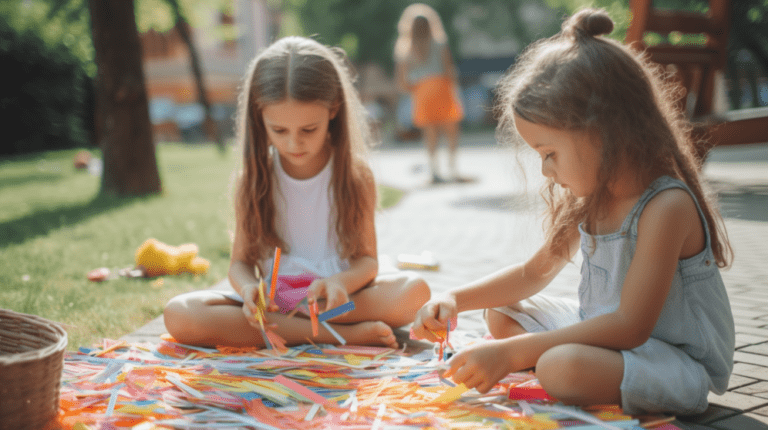
Summer is a great time for kids to explore their creative side. Encourage kids to engage in activities like art projects, creative writing, or building projects that allow them to express their creativity and imagination.

Setting aside a dedicated space for these activities, such as a craft table or art corner, can help create a fun and inviting environment for your child to explore their creativity. Providing a variety of materials, such as paint, markers, clay, and other craft supplies, can also help inspire creativity and imagination.

You can also encourage creativity by involving your child in DIY projects around the house. For example, you could work together to paint a room or create a garden in your backyard. These activities not only allow your child to express their creativity but also help teach valuable skills like teamwork and problem-solving.

4. Stay Active and Healthy

With so much free time during the summer, it’s important to make sure your child stays active and healthy. Encourage your child to engage in physical activity each day, whether it’s playing outside, going for a bike ride, or playing a sport.

Additionally, make sure your child eats a healthy and balanced diet. Take advantage of fresh produce that is in season and involve your child in meal planning and preparation. This not only helps ensure they are getting the nutrients they need but also teaches them important life skills like cooking and meal planning.

You can also make staying active and healthy a fun family activity. Take a family bike ride, go for a hike, or play a game of basketball together. Not only is this a great way to stay active and healthy, but it also provides an opportunity for quality family time.

5. Give Back to the Community

Summer is a great time for kids to get involved in their community and give back. Encourage your child to volunteer at a local organization or participate in a community service project.

Volunteering not only helps your child develop important skills like teamwork and empathy, but it can also help them develop a sense of purpose and responsibility. Additionally, volunteering provides an opportunity for your child to make a positive impact in their community and meet new people.

There are many ways for kids to give back to their community, such as volunteering at a food bank, participating in a neighborhood clean-up project, or visiting a nursing home to spend time with the residents. Talk to your child about their interests and find a volunteer opportunity that aligns with their passions.

Conclusion

Keeping kids busy during the summer can be a challenge, but with a little planning and creativity, it can also be a fun and rewarding experience for both parents and children. By planning outings and activities, encouraging reading and learning, fostering creativity and imagination, staying active and healthy, and giving back to the community, parents can help their kids have a fun and productive summer while also teaching important life skills and values.

The Ultimate Checklist for a Successful First Day of School

The first day of school can be both exciting and nerve-wracking for students and parents alike. However, with the right preparation and mindset, it can also be a successful and stress-free start to the school year. Follow this comprehensive checklist to ensure you’re fully prepared for day one.

Before the First Day

  • Get organized: Purchase necessary school supplies, including notebooks, pens, pencils, and folders. Create a designated study space at home, and use a planner or calendar to keep track of important dates and deadlines.
  • Review the school’s policies and procedures: Familiarize yourself with the school’s rules and regulations, including dress codes, tardiness policies, and expectations for behavior and academic performance.
  • Attend orientation: If your school offers an orientation program, attend it to get a feel for the campus and meet teachers and staff.
  • Pack your backpack: Include all necessary supplies, a lunch or snack, and any required forms or paperwork.
  • Get plenty of rest: Make sure you get a good night’s sleep before the first day to ensure you’re alert and ready to learn.

On the First Day

  • Wake up early: Give yourself plenty of time to get ready in the morning, eat a healthy breakfast, and arrive at school on time.
  • Dress appropriately: Wear comfortable clothing that adheres to the school’s dress code.
  • Bring a positive attitude: Approach the day with enthusiasm and an open mind.
  • Be prepared to meet new people: Introduce yourself to your classmates and teachers, and don’t be afraid to ask for help or guidance if needed.
  • Follow instructions: Listen carefully to your teachers and follow their instructions and guidance throughout the day.
  • Stay organized: Keep track of assignments and important dates using a planner or calendar.
  • Be respectful: Treat your teachers, classmates, and school property with respect and kindness.
  • Take care of yourself: Stay hydrated and take breaks as needed throughout the day.

After the First Day

  • Reflect on your experience: Take time to think about how your first day went and what you can do to improve for the future.
  • Stay organized: Continue using a planner or calendar to stay on top of assignments and important dates.
  • Communicate with your teachers: If you have questions or concerns, don’t hesitate to reach out to your teachers for guidance and support.
  • Get involved: Consider joining extracurricular activities or clubs to meet new people and explore your interests.
  • Practice good self-care: Make sure you’re getting enough sleep, exercise, and healthy food to maintain your physical and mental well-being.

By following this comprehensive checklist, you can make the most of your first day of school and set yourself up for a successful and enjoyable school year. Remember to stay organized, be respectful, and take care of yourself both physically and mentally. Good luck!

What Teachers Should Do to Stop Bullying

Outline

  1. Introduction
  2. Definition of bullying
  3. Causes of bullying
  4. Effects of bullying
  5. Signs of bullying
  6. Role of teachers in preventing bullying
  7. Ways to create a bully-free classroom environment
  8. Creating a code of conduct
  9. Encouraging reporting of bullying incidents
  10. Implementing consequences for bullies
  11. Providing support for victims
  12. Involving parents in anti-bullying efforts
  13. Educating students on bullying prevention
  14. The importance of teacher training
  15. Conclusion

Bullying has become a widespread problem in schools, and teachers play a critical role in preventing it. It is essential for teachers to create a safe and supportive learning environment where students feel valued, respected, and free from harm. In this article, we will discuss what teachers can do to stop bullying.

Definition of Bullying

Bullying is a repetitive, intentional behavior that involves an imbalance of power. It can take many forms, including physical, verbal, and social bullying. Physical bullying involves physical aggression, such as hitting, pushing, or kicking. Verbal bullying involves name-calling, teasing, or taunting. Social bullying involves excluding or isolating individuals from social groups.

Causes of Bullying

There are various reasons why a student may engage in bullying behavior. Some students may bully others to gain social status or control. Others may bully due to jealousy or insecurity. Bullying can also be a learned behavior, as some students may have experienced bullying in their home or community.

Effects of Bullying

Bullying can have serious consequences for both the victim and the bully. Victims of bullying may experience anxiety, depression, and low self-esteem. They may also struggle academically and have difficulty forming healthy relationships. Bullies, on the other hand, may face legal consequences and have difficulty forming healthy relationships in the future.

Signs of Bullying

It is crucial for teachers to recognize the signs of bullying. Some common signs include unexplained injuries, changes in behavior, and social withdrawal. Students who are bullied may also struggle academically and have difficulty concentrating in class.

Role of Teachers in Preventing Bullying

Teachers play a critical role in preventing bullying. They are responsible for creating a safe and supportive learning environment where students feel valued and respected. Teachers can help prevent bullying by promoting positive behavior, providing support for victims, and implementing consequences for bullies.

Ways to Create a Bully-Free Classroom Environment

Creating a bully-free classroom environment is essential for preventing bullying. Teachers can do this by:

Creating a Code of Conduct

Teachers should create a code of conduct that outlines expected behavior and consequences for breaking the rules. The code of conduct should be clear and concise, and students should be held accountable for their actions.

Encouraging Reporting of Bullying Incidents

Students should feel comfortable reporting incidents of bullying to teachers. Teachers should listen to student concerns and take appropriate action to address the issue.

Implementing Consequences for Bullies

Bullies should face consequences for their actions. These consequences should be consistent and appropriate for the behavior. Teachers should work with administrators and parents to determine the appropriate consequences for bullying.

Providing Support for Victims

Victims of bullying should receive support from teachers and counselors. Teachers should listen to student concerns and provide resources to help students cope with the effects of bullying.

Involving Parents in Anti-Bullying Efforts

Parents play a crucial role in preventing bullying. Teachers should work with parents to create a safe and supportive learning environment. Parents should be informed of bullying incidents and involved in the consequences and support provided to the students involved.

Educating Students on Bullying Prevention

Educating students on bullying prevention is crucial for creating a bully-free environment. Teachers should incorporate bullying prevention lessons into their curriculum and provide students with resources to learn more about bullying. These resources can include books, videos, and interactive activities.

The Importance of Teacher Training

Teachers need to receive training on bullying prevention and intervention. This training should include information on how to recognize signs of bullying, strategies for preventing bullying, and how to respond to bullying incidents. Teacher training can also include workshops on creating a positive classroom environment and effective communication skills.

Conclusion

Bullying is a serious problem in schools, and it is crucial for teachers to take an active role in preventing it. Teachers can create a bully-free environment by promoting positive behavior, providing support for victims, implementing consequences for bullies, involving parents in anti-bullying efforts, and educating students on bullying prevention. Teacher training is also essential for effective bullying prevention. By working together, teachers can help create a safe and supportive learning environment where all students feel valued and respected.

FAQs

  1. How can teachers recognize signs of bullying?
  • Teachers can recognize signs of bullying by looking for unexplained injuries, changes in behavior, and social withdrawal.
  1. What should teachers do if a student reports bullying?
  • Teachers should listen to student concerns and take appropriate action to address the issue. This can include reporting the incident to school administrators and involving parents.
  1. How can teachers promote positive behavior in the classroom?
  • Teachers can promote positive behavior by creating a code of conduct, modeling positive behavior, and providing praise and recognition for good behavior.
  1. What can teachers do to provide support for victims of bullying?
  • Teachers can provide support for victims of bullying by listening to their concerns, providing resources for coping with bullying, and involving counselors and other professionals as needed.
  1. How can teachers involve parents in anti-bullying efforts?
  • Teachers can involve parents in anti-bullying efforts by communicating with them about bullying incidents, working with them to create a safe and supportive learning environment, and providing resources for parents to learn more about bullying prevention.

Putting a Stop to High School Bullying

How can parents fight high school bullying

There are several steps that parents can take to fight high school bullying:

  1. Talk to your child: Parents should have open and honest conversations with their child about bullying. Ask them if they have ever been bullied or witnessed bullying at school. Listen to their concerns and offer support.
  2. Stay informed about what is happening in your child’s school and community. Attend school meetings and stay in touch with school administrators and teachers.
  3. Set a good example: Parents can model good behavior and encourage their children to do the same by treating others with kindness and respect.
  4. Encourage your child to speak up: Teach them how to stand up for themselves and others. Please encourage them to report bullying to a teacher, counselor, or another trusted adult.
  5. Seek professional help: If your child is being bullied, seek professional help from a counselor or therapist. They can support and guide your child and help them develop coping strategies.
  6. Support school policies: Encourage the school to have clear policies to address bullying and support victims.
  7. Get involved in anti-bullying initiatives: Join or support local anti-bullying initiatives, such as programs or campaigns that focus on educating students, parents, and staff about the impacts of bullying.
  8. Keep lines of communication open: Parents should encourage their child to maintain open lines of communication and express any concerns they may have to them or other trusted adults.

What can teachers do to fight bullying

There are several steps that teachers can take to fight bullying in the classroom and school:

  1. Create a safe and inclusive environment: Teachers can create a positive classroom culture by setting clear expectations for behavior and fostering a sense of community and respect among students.
  2. Address bullying immediately: Teachers should take immediate action when they witness or are made aware of bullying. They should address the situation with the students involved and document the incident.
  3. Use anti-bullying curriculum: Teachers can incorporate anti-bullying lessons into their curriculum to educate students about the negative effects of bullying and how to prevent it.
  4. Encourage students to speak up: Teachers can encourage students to speak up and report bullying when they see it happen. They can also provide opportunities for students to share their feelings and experiences in a safe and supportive environment.
  5. Work with parents and school administrators: Teachers should work closely with parents and school administrators to develop and implement policies and programs that address bullying and support victims.
  6. Serve as positive role models: Teachers should lead by example and model positive behavior for their students.
  7. Be aware of the signs of bullying: Teachers should be aware of the signs of bullying, such as changes in a student’s behavior or academic performance, and take appropriate action.
  8. Support for victims: Teachers should provide support and resources for students who have been bullied and help them feel safe and supported in the classroom.

It is important to remember that preventing and addressing bullying requires a comprehensive approach that involves the participation of teachers, students, and parents. Working together can create a safe and inclusive environment that promotes respect and kindness among all students.

High School Bullying

Bullying in high school is a serious issue that affects the well-being of students and can have long-term consequences. It can take many forms, including verbal and physical abuse, social exclusion, and cyberbullying.

One of the main reasons bullying occurs in high school is due to the social dynamics of adolescent development. Teens are navigating complex social hierarchies and learning to assert their independence, which can lead to aggressive behavior towards others. Additionally, high school students may feel pressure to conform to certain social norms and may bully others who do not fit into these expectations.

The effects of bullying on high school students can be severe and long-lasting. Victims of bullying may experience depression, anxiety, and low self-esteem. They may also struggle academically and may have difficulty forming healthy relationships. In extreme cases, bullying can lead to self-harm and even suicide.

To combat bullying in high school, it is important for educators, parents, and students to work together. Schools should have clear policies in place to address bullying and should provide support and resources for victims. Parents should also be aware of the signs of bullying and should talk to their children about the issue.

Students also play an important role in preventing bullying. They can stand up for their classmates and speak out against bullying when they see it happening. Additionally, students can also foster a culture of respect and kindness by treating others with kindness and empathy.

Overall, bullying in high school is a serious issue that affects the well-being of students and can have long-term consequences. It is important for everyone in the community to work together to prevent bullying and provide support for victims. By taking a stand against bullying, we can create a safer and more inclusive environment for all students.

Tallying Up The High Costs of Extreme Weather (On Point)

With the epic amounts of snow falling in Boston this winter (6 feet-plus in a month), city infrastructure problems have surfaced and are costly to fix. Whether it’s a blizzard, drought, hurricane, or flood, extreme weather can paralyze a city and become a burden on the economy. And with climate change in effect, we can expect more extreme weather more frequently.

In this segment of NPR’s On Point with Tom Ashcroft, our Advisory Board Member and president of the Reinsurance Association of America, Frank Nutter, is among the panel of guests talking about extreme weather and its mounting consequences for the economic bottom line. 

Edenham High head teacher Richard Rudd suspended after ‘allegations’

THE head teacher of Edenham High School in Croydon has been suspended.

Richard Rudd was suspended from his position last week after as of yet unspecified “allegations” were made against him.

Edenham High, in Shirley, was Croydon’s last remaining local authority secondary school until it converted into an academy sponsored by the Greenshaw Learning Trust last September.

In a statement sent to the Advertiser, the trust’s executive head teacher Will Smith said: “Following allegations made against Richard Rudd, the head teacher at Edenham High School, Mr Rudd has been suspended without prejudice pending an investigation.

“David Webb (a deputy head at the school) will be acting as head teacher while an investigation is carried out.”

Mr Smith declined to answer further questions, including about the nature of the allegations.

Mr Rudd joined Edenham High in 2009 and remained as the head teacher when it voluntarily became an academy last year.

He replaced Jacey Downes who resigned after several violent incidents at the school including a 14-year-old pupil stabbing a classmate in the head with a pair of scissors.

Before moving to Edenham, Mr Rudd was the vice principal of Bacon’s College, in Rotherhithe.

Edenham, whose former pupils include X Factor winner Ben Haenow, has never been among the borough’s top-performing schools but it was one of the most improved when measured against last summer’s GCSE results, when it achieved eight per cent better than the year before. It is currently rated “good” by Ofsted.

Speaking a year ago, Mr Rudd told the Advertiser the school had no choice but to become an academy.

“It’s the only way we can get capital investment because we can’t get anything through the local education authority,” he said.

“We’re really struggling for investment in computing, in furniture, in the basics of the school. Becoming an academy is the only way we can maintain our budgets.”

Mr Rudd said he was “very positive” about a partnership with Sutton-based Greenshaw High School.

“Greenshaw has a lot to offer us,” he said. “They are a high-performing school. They have strength in areas we need strengthening.”

Mr Smith said at the time: “Edenham is the last remaining non-academy secondary school in Croydon and Richard is very keen to benefit from being part of a large organisation,” he said.

“He wasn’t being forced to academise or to join Greenshaw. He looked around, talked to a number of different organisations, and felt the trust was a good match.

“Edenham has massive strengths but it also has areas where it can improve and that will be the focus of our work together.”

Update: Greenshaw Learning Trust sent parents a text at 4pm today (Tuesday) advising them to read the school’s newsletter, which confirmed Mr Rudd’s suspension.